
Pet Surgery in San Tan Valley, AZ
At Johnson Ranch Animal Clinic, we know surgery can feel stressful for both pets and the people who love them. Our approach to pet surgery in San Tan Valley, AZ focuses on careful preparation, attentive monitoring, appropriate pain control, and clear communication before, during, and after the procedure. Regardless of whether your pet needs a routine pet spay, pet neuter, soft tissue procedure, fracture repair, or advanced orthopedic surgery, our team works to make the experience as safe and manageable as possible. We want you to understand what is happening, what your pet needs, and what recovery may look like before treatment begins.
General Surgery With Careful Monitoring
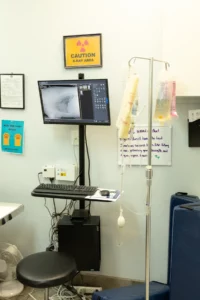
Every surgical procedure requires attention to detail, even when it is considered routine. At Johnson Ranch Animal Clinic, specially trained technicians assist our doctors during surgery while electronic monitoring equipment is used to track important vital signs throughout the procedure.
We tailor anesthesia, IV fluids, pain medication, and anti-inflammatory medications to the individual patient when appropriate. That means we consider factors such as age, size, health history, procedure type, and pre-surgical findings rather than treating every pet exactly the same.
We also believe surgical care does not stop when the procedure ends. Our technicians remain with pets during recovery and continue monitoring until they are appropriately awake and stable.
Pet Spay and Neuter Procedures
Spay and neuter procedures are among the most common surgeries performed in veterinary medicine, but they still deserve thoughtful planning and proper monitoring. A pet spay involves removing the reproductive organs of a female pet, while a pet neuter generally refers to surgical sterilization of a male pet.
These procedures may help prevent unwanted litters and can also reduce the risk of certain reproductive health problems. The timing of surgery depends on the individual pet, including age, breed, size, health status, and other medical considerations.
Before surgery, we can discuss whether the procedure is appropriate and what preparation is needed. We also explain what to expect during recovery so you know how to help your pet stay comfortable and avoid complications at home.
Preparing Your Pet for Surgery
Good surgical care begins before your pet enters the operating room. Depending on the procedure and your pet’s health, we may recommend a physical examination, bloodwork, imaging, or other diagnostic testing before surgery.
Pre-surgical testing helps us look for issues that may affect anesthesia or recovery. It can also give us useful baseline information about organ function, hydration, blood cell counts, and other factors that may influence the surgical plan.
We will also give you instructions about food, water, medications, arrival time, and any other preparation specific to your pet. Following those directions closely helps us keep the procedure organized and reduce avoidable risks.
Pain Control Is Part of the Surgical Plan
Pain management is an important part of veterinary surgery because comfort affects both recovery and overall well-being. We use pain medication and anti-inflammatory drugs when appropriate based on the procedure and the individual patient.
Our team considers pain control before, during, and after surgery rather than waiting until discomfort is obvious. The goal is to help your pet recover more comfortably and reduce unnecessary stress during the healing process.
At discharge, we explain any medications your pet needs at home and how they should be given. We also review activity restrictions and other instructions so you know what is normal and what should prompt a call to the clinic.
Advanced Orthopedic Surgery
Some orthopedic conditions require more specialized surgical expertise, especially when joints, bones, ligaments, or major injuries are involved. Johnson Ranch Animal Clinic offers access to advanced orthopedic surgical services through Dr. Mike Conzemius, DVM, PhD, DACVS.
Orthopedic procedures available may include:
- TPLO, or Tibial Plateau Leveling Osteotomy
- TTA, or Tibial Tuberosity Advancement
- Extracapsular suture stabilization
- Patella luxation surgery with autograft
- Total hip replacement
- Hip or joint dislocation repair
- Fracture repair
- Soft tissue surgery
- Arthroscopy
These procedures are used for different conditions, so the right treatment depends on the pet’s diagnosis, age, activity level, anatomy, and overall health. A thorough evaluation helps determine which surgical option is appropriate and what recovery is likely to involve.
Knee Surgery for Ligament and Joint Problems
Knee injuries can significantly affect a dog’s mobility and quality of life. Conditions involving the cranial cruciate ligament or kneecap may cause limping, instability, pain, or difficulty using the affected leg normally.
Surgical options such as TPLO, TTA, extracapsular stabilization, and patella luxation repair are designed for different types of orthopedic problems. The choice between them depends on the specific injury, joint condition, patient size, and other clinical factors.
Because recovery is an important part of orthopedic success, we also discuss activity restrictions and follow-up expectations. Owners should be prepared for a more structured healing period than they would typically see after a routine soft tissue procedure.
Fracture Repair and Joint Surgery
Fractures and joint injuries often require more than rest, especially when bone alignment, stability, or joint function has been compromised. Surgical repair may be recommended to restore alignment, stabilize the injury, and give the area the best opportunity to heal.
Joint dislocations and hip problems can also require surgical intervention when conservative treatment is not enough. In these cases, the surgical plan is based on imaging, physical examination findings, and the nature of the injury.
Advanced orthopedic care is highly individualized, and recovery can vary significantly from one patient to another. We make sure owners understand the procedure, expected healing period, and follow-up needs before moving forward.
Recovery and Follow-Up After Pet Surgery
The first hours after surgery are important, which is why our technicians stay with pets as they recover from anesthesia. We monitor breathing, temperature, responsiveness, comfort, and other signs as your pet wakes up.
Once your pet is ready to go home, we provide instructions for feeding, medication, incision care, and activity. Some pets need only a short period of restricted activity, while orthopedic patients may require several weeks or months of controlled recovery.
We encourage you to call if you notice swelling, bleeding, unusual discharge, persistent vomiting, extreme lethargy, trouble breathing, or any other change that concerns you. Recovery is a partnership, and we want you to feel comfortable reaching out when something does not seem right.
Frequently Asked Questions
We provide general surgery, routine spay and neuter procedures, soft tissue surgery, and access to advanced orthopedic procedures. The exact recommendation depends on your pet’s diagnosis, overall health, and surgical needs.
Pre-surgical bloodwork is often recommended because it can help us evaluate organ function, blood cell counts, and other factors that may affect anesthesia. The testing plan depends on the pet and procedure.
Recovery varies, but many pets need roughly 10 to 14 days of restricted activity and incision monitoring. We provide specific instructions based on the procedure and your pet’s individual needs.
Available procedures may include TPLO, TTA, patella luxation repair, fracture repair, total hip replacement, arthroscopy, and joint-related surgery. An evaluation is needed to determine which procedure is appropriate.
Owners are welcome to stay with their pet during surgery when appropriate. We can explain what that looks like and help determine what is best for both you and your pet.
Put Your Pet’s Surgical Care in Experienced Hands
At Johnson Ranch Animal Clinic, we understand that surgery is a major decision, whether your pet needs a routine pet spay, pet neuter, soft tissue procedure, or advanced orthopedic repair. That’s why our animal clinic focuses on preparation, monitoring, pain control, recovery support, and clear communication so you know what to expect at every stage. So if your pet has been diagnosed with a condition that may require surgery, or you’re ready to discuss a routine procedure, simply contact us today to schedule an evaluation and learn more about pet surgery in San Tan Valley, AZ.